
Product Overview
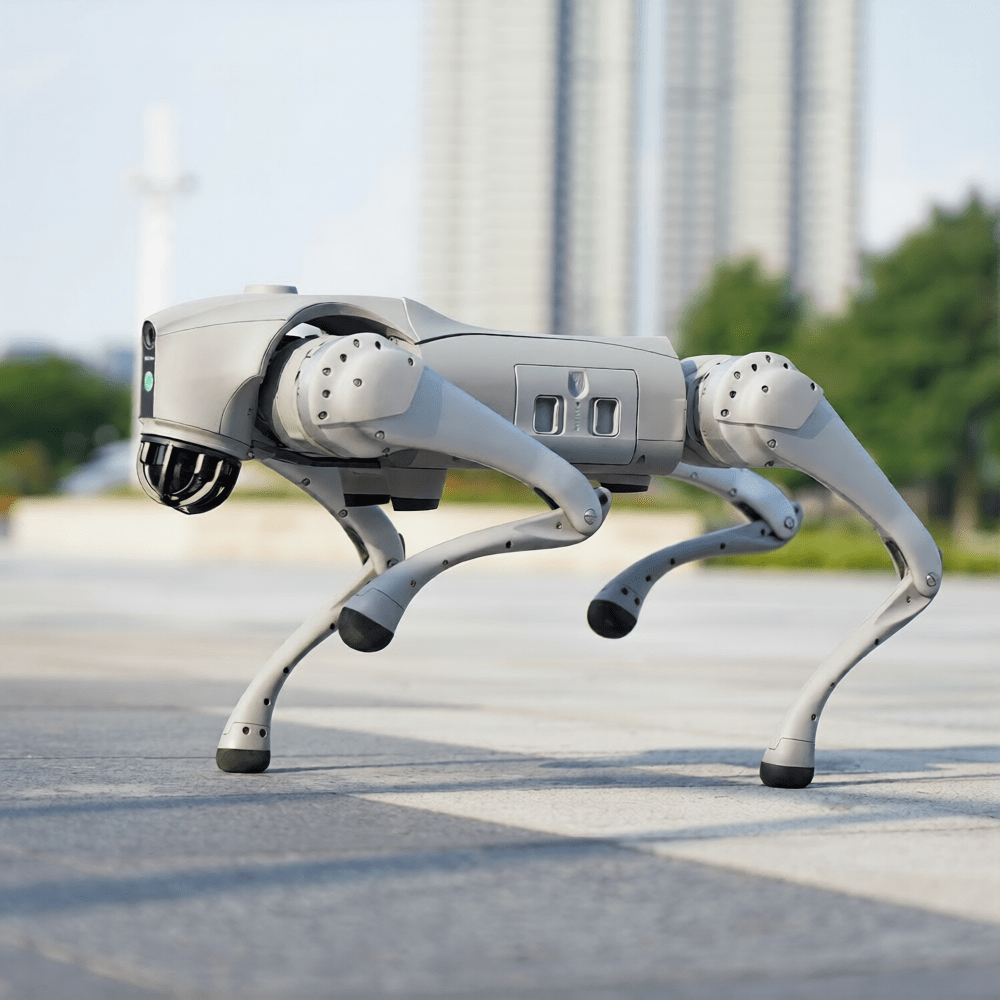
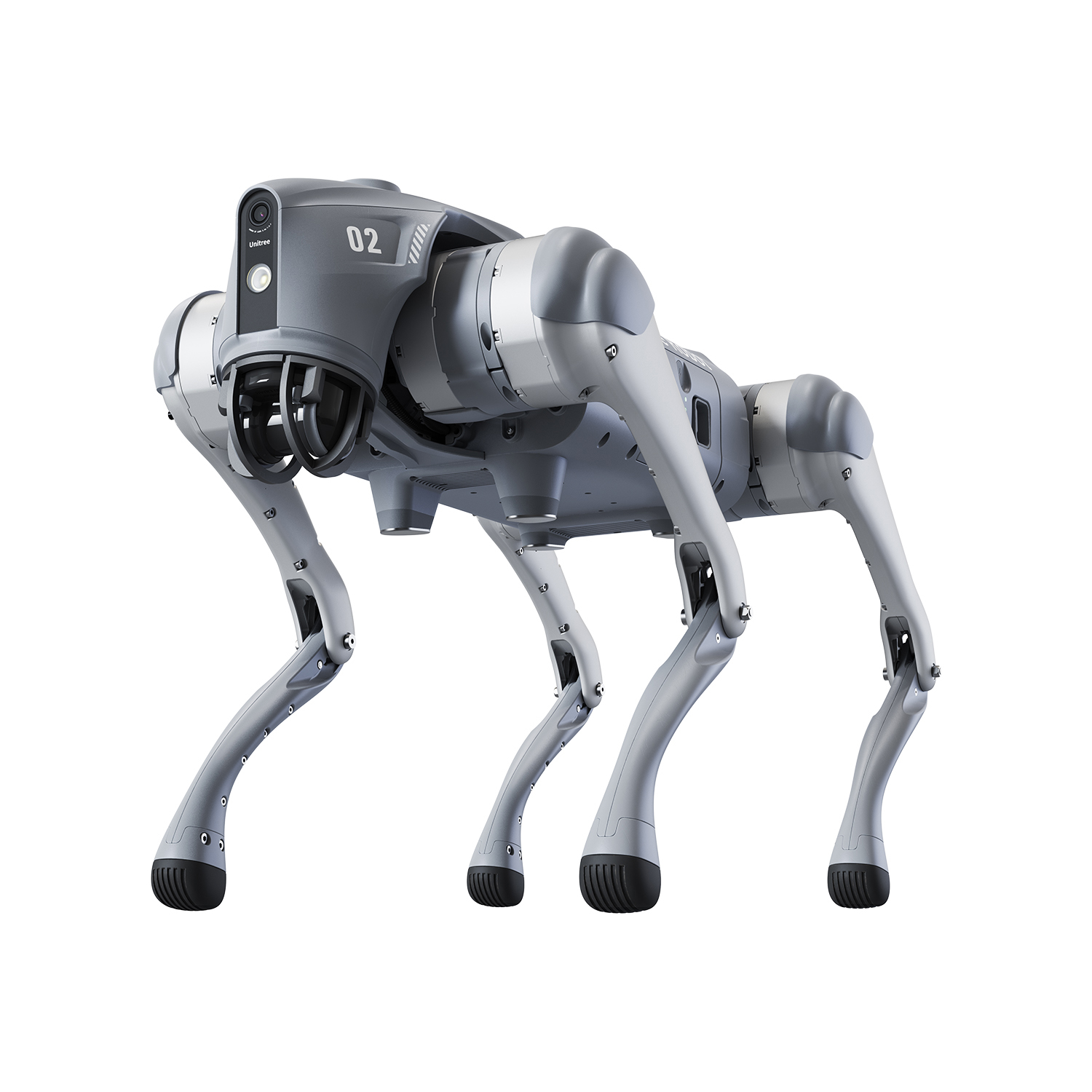
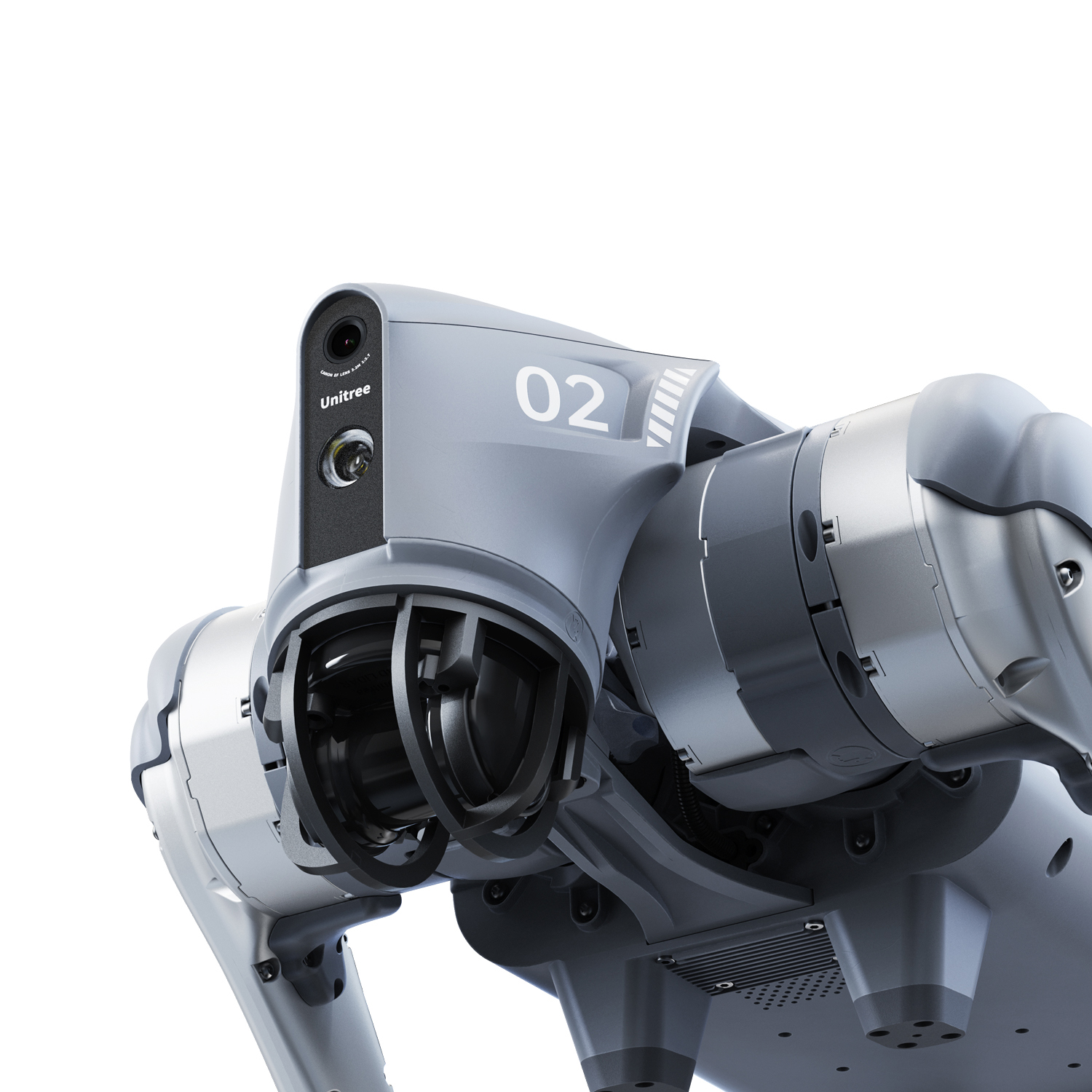
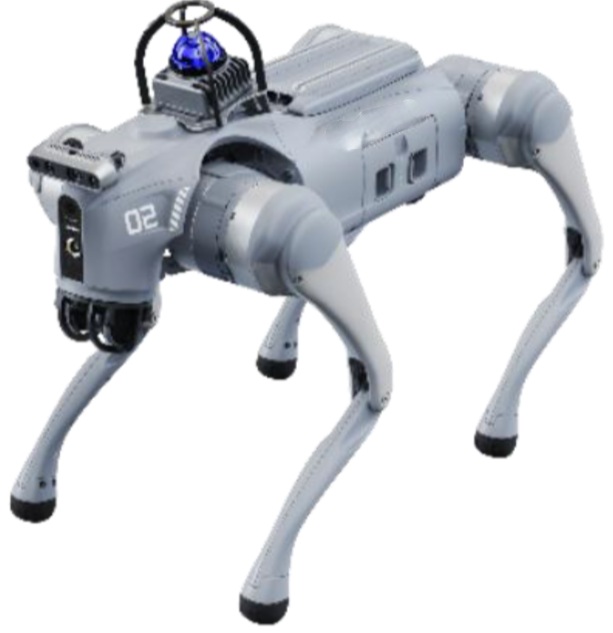
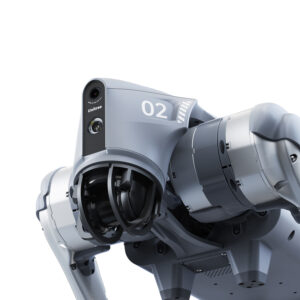
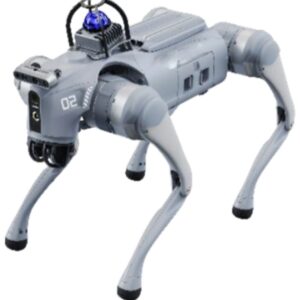
The Programmable Quadruped Robotic Dog (Go2 Edu U2 & U3 Intelligent Series) is a next-generation robotics platform built for advanced education, research, and development applications. Designed with high-performance computing, intelligent sensing, and exceptional mobility, this system enables users to develop and deploy sophisticated robotic solutions. With powerful onboard processing, advanced LiDAR-based navigation, and full programmability, the robot delivers outstanding performance in dynamic environments. It supports a wide range of applications including AI development, robotics competitions, inspection, and automation.
Introduction
Modern robotics requires flexible, intelligent platforms capable of real-world interaction and advanced computation. The Go2 Edu Intelligent Series provides a complete development environment for engineers, researchers, and students to build and test cutting-edge robotic applications. With high-speed movement, multi-sensor integration, and AI-powered navigation, the system offers exceptional adaptability. It supports graphical programming, remote control, and real-time data transmission, making it suitable for both beginners and advanced users. The U2 and U3 variants extend capabilities further with enhanced computing power, depth sensing, and advanced LiDAR navigation, making this platform ideal for high-level robotics development and competitive environments.
Model Variants
Go2 Edu Intelligent – U2
- Includes all standard Edu features
- Expansion dock with 100 TOPS super computing power
- AI algorithms and technical support
- Equipped with Intel RealSense D435i depth camera
- Supports advanced robotics challenges
- Optional servo mechanical arm
Go2 Edu Laser Intelligent – U3
- Includes all U2 features
- Equipped with Livox Mid-360 3D LiDAR
- Advanced navigation algorithms and support
- Enhanced environmental mapping and autonomy
Mechanical Specifications
| Specification | Details |
|---|---|
| Dimensions (Standing) | 70 × 31 × 40 cm |
| Dimensions (Crouching) | 76 × 31 × 20 cm |
| Weight | Approx. 15 kg (with battery) |
| Material | Aluminium Alloy + Engineering Plastic |
Electrical Specifications
| Specification | Details |
|---|---|
| Voltage | 28V – 33.6V |
| Max Power | Approx. 3000W |
| Battery Capacity | 15000 mAh |
| Battery Life | Approx. 2 – 4 Hours |
| Charger | Quick Charge (33.6V 9A) |
Performance Specifications
| Specification | Details |
|---|---|
| Speed | 0 – 3.7 m/s |
| Payload | Approx. 8 kg (Max 10 kg) |
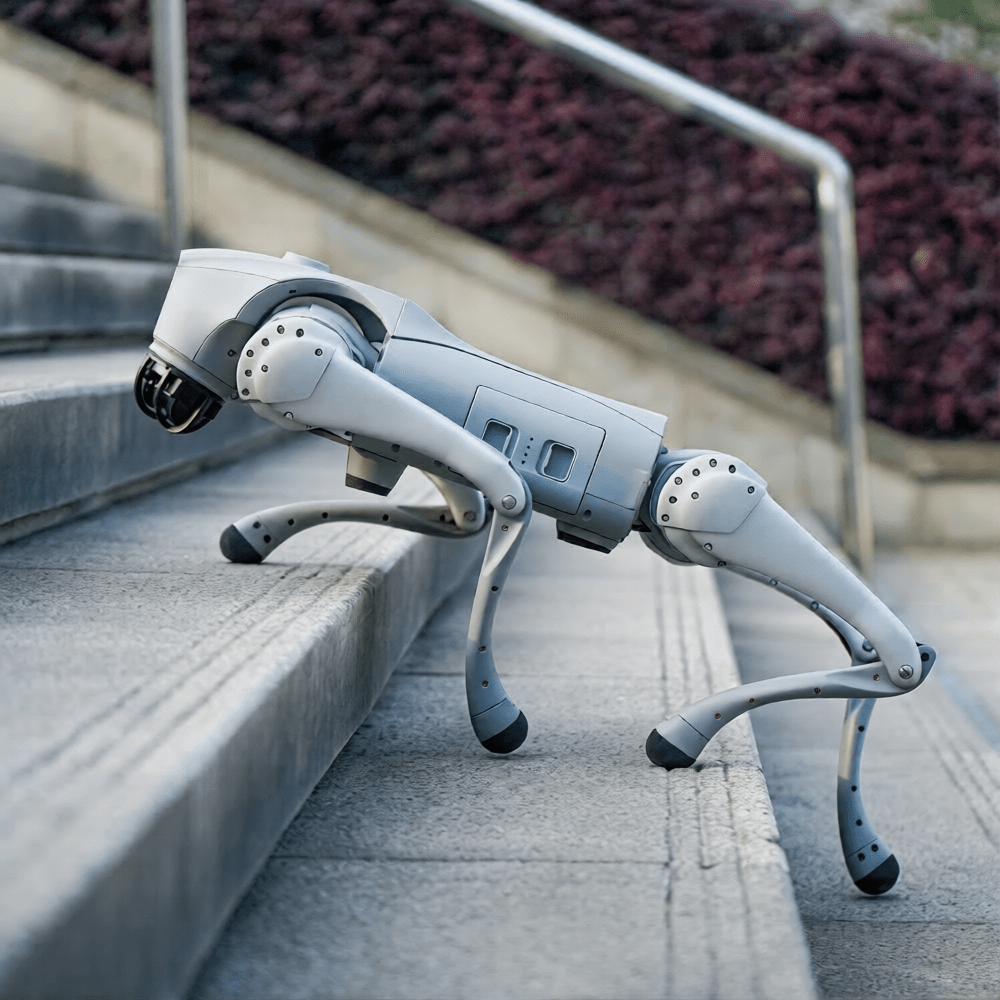
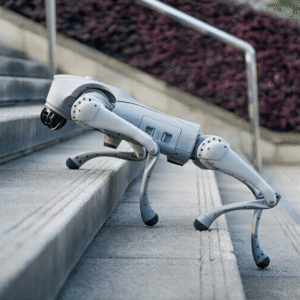
| Max Climb Height | Approx. 16 cm |
| Max Climb Angle | 40° |
| Computing Power | 8-Core High-Performance CPU |
Sensors & Navigation
- Super-wide-angle 3D LiDAR with obstacle detection
- Wireless vector positioning and tracking module
- HD wide-angle camera
- Foot-end force sensors for balance control
- Intelligent obstacle detection and avoidance system
- Optional advanced LiDAR (U3 model)
Connectivity & Control
- WiFi 6 (dual-band 802.11ax)
- Bluetooth 5.2 / 4.2 / 2.1
- Built-in 4G module with eSIM
- Graphical programming via mobile app
- Real-time image transmission and remote control
- Secondary development support
Functions
- Autonomous navigation and remote operation
- Intelligent obstacle avoidance
- Voice interaction with high-speed response
- Real-time data monitoring and transmission
- OTA intelligent upgrades
- Intelligent side-follow system (ISS 2.0)
- Advanced motion capabilities including jumping, climbing, and dynamic movement
- Pre-programmed actions and interactive behaviours
Accessories
- Manual controller included
- Charging electrodes
- High computing power expansion module (U2/U3)
Key Features
- High-speed mobility up to 3.7 m/s
- AI-powered navigation and obstacle avoidance
- Advanced LiDAR and depth sensing capabilities
- High payload capacity for equipment and sensors
- Programmable platform for custom development
- Real-time remote control and monitoring
- Durable, lightweight industrial design
- Long battery life with fast charging
- Scalable system with advanced expansion options
Applications
- Robotics education and training
- AI and machine learning development
- Industrial inspection and monitoring
- Security and surveillance
- Research and robotics competitions
- Smart facility automation
- Emergency and hazardous environment operations
| Model | Go2 Edu Intelligent – U2, Go2 Edu Laser Intelligent – U3 |
|---|
Related products
Electronics & Electrical




Electronics & Electrical
Science Education Large Screen Movie Glasses Dynamic Platform Virtual Reality